rayden waller
0 Course Enrolled • 0 Course CompletedBiography
Coloring Pages For Free That Turn Simple Moments Into Happy Art
A quiet afternoon feels easier when you have a printable page, crayons, and a child ready to imagine something new. ColoringPagesCreative helps you find coloring pages that are simple to print and suitable for home, classroom, or weekend activities. Whether your child wants a puppy, rocket, garden, or funny food character, the right page can turn a short break into happy art.
1. Discover Coloring Pages For Every Age And Creative Interest
The best activity starts with a page that matches the child in front of you. A preschooler usually needs bold outlines, large spaces, and familiar shapes. An older child may enjoy details, patterns, hidden objects, or scenes that invite storytelling. Choose a page that fits the child’s age, tools, and attention span.
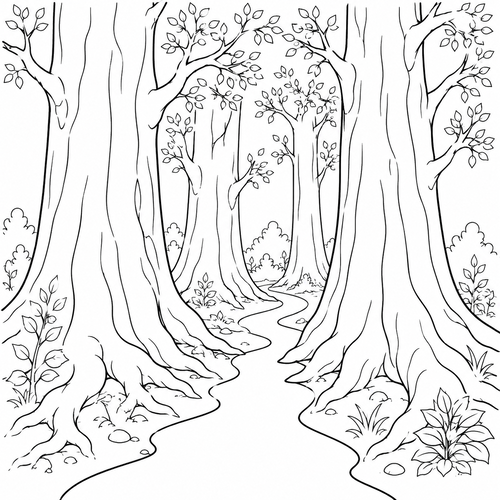
Quiet forest path winding through tall trees
1.1 Choose Designs That Match Personal Interests
Begin with what your child already loves. A dog lover may enjoy puppies, paw prints, and dog houses. A young explorer may choose dinosaurs, rockets, ocean animals, or castles. A teacher may use a free coloring sheet for a classroom theme, seasonal lesson, or early finisher activity.
Offer only a few good choices at a time:
-
A simple animal page with large coloring spaces
-
A fantasy scene with room for extra details
-
A seasonal picture for decorating a room or classroom
Too many options can slow children down. Once your child chooses a theme, check the detail level before printing.
1.2 Find The Right Detail Level For Each Child
Look at shape size, line thickness, open space, and small details. For preschoolers, clean line art helps them see progress quickly. For older kids, detailed animals, flowers, vehicles, fantasy scenes, or hidden objects can feel more rewarding.
You can print free coloring pages at different difficulty levels. Use easy pages for short breaks, travel, or rainy afternoons. Save detailed pages for homeschool projects or quiet classroom time. PDF pages that fit A4 or US Letter paper print clearly.
2. Turn Simple Outlines Into Personal Masterpieces
A black-and-white outline is only the starting point. Coloring pages for free give children space to choose colors, add settings, invent characters, and change the story. When you welcome unusual ideas, a basic printable page becomes a small creative project.
Coloring also builds hand control, color recognition, patience, and decision-making. Children learn that art does not have one correct answer.
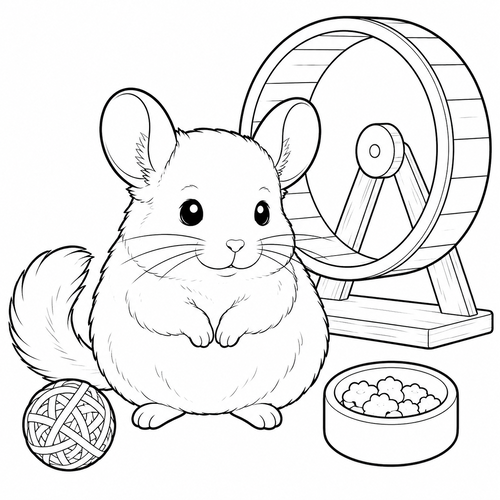
Fluffy chinchilla sitting happily with flowers
2.1 Add Character With Colors Patterns And New Details
Invite your child to change one part of the image before coloring the rest. A puppy can wear a superhero cape. A moon can have checkerboard spots. A school bus can drive under the sea. These changes help children feel ownership.
Try simple creative prompts when your child gets stuck:
-
Add a background, such as a park, beach, bedroom, or outer space
-
Fill large shapes with dots, stripes, stars, waves, or hearts
-
Give the main character a name, mood, job, or funny problem
Crayons work well for bold color and younger hands. Colored pencils are better for shading and small details. Washable markers can make borders stand out, but keep scrap paper nearby for testing colors.
2.2 The Tiny Artist Who Redesigned The Moon
Mia picked a quiet moon scene from a printable folder. She colored the moon red, added green clouds, drew square stars, and placed three tiny houses above the rooftops. Her father almost asked why the sky looked strange, but he stopped and asked, “Where are the houses going?”
Mia said they were moving to a city where dogs drove buses and pancakes grew on trees. The family called the picture “Places We Have Not Visited Yet.” The page became a conversation and a memory.
3. Build A Mini Gallery Around One Favorite Theme
A themed gallery gives finished coloring pages a purpose. Choose dogs, space, gardens, ocean life, dinosaurs, holidays, or funny food characters. Print related designs, then invite your child to use a different color plan for each page.
Keep pdf coloring sheets in a folder so favorite themes are easy to reuse. Organize them by age, topic, season, or difficulty level. For classroom use, keep low-ink designs ready for morning work, indoor recess, art centers, or early finishers.
Add each child’s name and a short title before displaying the work on a refrigerator, hallway wall, binder cover, or poster board. Rotate the gallery when new art is ready.
4. Talk About Finished Art In A Confidence Building Way
Your response can shape the whole coloring experience. Instead of judging neatness, notice a clear choice: a bright border, tiny stars, funny hat, or brave color combination. Then ask what part was most fun. This tells your child you paid attention without turning the moment into a test.
Avoid comparing siblings, classmates, or finished pages. Some children fill every space, while others leave open areas. Some want realistic colors, while others invent worlds that make no logical sense. Both approaches can work.
For more printable ideas, save the ColoringPagesCreative group with your family art resources: https://groups.google.com/g/coloringpagescreative. Keep the main focus on your child’s choices and stories.
5. Celebrate Creative Freedom In Every Finished Picture
Happy art does not need perfect lines, matching colors, expensive supplies, or a long setup. It needs a printable page, a little time, and an adult who gives children room to try. Sit beside your child, color your own sheet, and let conversation happen naturally.
Save pieces that capture your family’s humor and imagination. Over time, those pages can show changing interests and confidence. ColoringPagesCreative keeps the activity simple, but your attention gives it meaning. Start with one printable coloring page today, and let your child turn an ordinary table into a place where happy art begins.
Check Here: Bring Stories To Life With Coloring Sheets PDF Made To Inspire